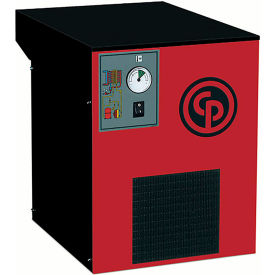
Product Details
Atmospheric air contains water vapor that varies according to ambient conditions, and when compressed, this water is drawn in along with the air. Subsequently, the air and water are discharged into the distribution system, where some water content is typically removed by a compressed air aftercooler, though a significant portion remains in the compressed air. As the compressed air travels through the piping system, it may cool further due to ambient temperatures or expansion, resulting in liquid water accumulating in the system, receivers, and pneumatic equipment. Over time, this condensate poses multiple risks including corrosion in the network, which leads to increased pressure drops due to scaling and rust deterioration, and damage to joints, thereby causing air leaks that heighten production costs. Additionally, excess water can cause malfunctioning of pneumatic equipment, reduce component lifespan, and escalate production losses. Moreover, in processes where compressed air contacts final products, such as in painting or pharmaceutical applications, condensate can lead to product contamination, spoilage, and costly damages. Proper installation of moisture separators significantly enhances air quality, mitigating these risks and ensuring efficient production operations.