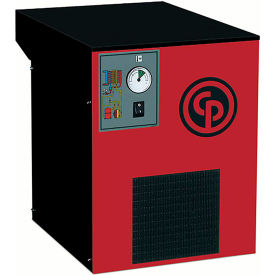
Product Details
Atmospheric air consists of varying amounts of water vapor, which is drawn in along with the air during compression. Post-compression, this mixture is discharged into the distribution system, where some water is typically removed using a compressed air aftercooler, although a significant portion of the water vapor remains in the compressed air as it travels through the piping network. As the temperature of the piping system decreases, or if the air expands, liquid water can accumulate in the distribution system, storage receivers, and pneumatic equipment. This condensate can lead to corrosion in the piping network, resulting in increased pressure drops, air leaks, and significant damage to joints and connections, ultimately raising production costs. Excess moisture can also cause pneumatic equipment to malfunction, reducing component lifespan and leading to production losses. Furthermore, in processes where compressed air directly contacts the final product, moisture can lead to contamination—especially critical in industries such as pharmaceuticals and electronics, where it can result in costly product spoilage and integrity issues. It is essential to incorporate moisture separators to mitigate these risks and improve air quality, thereby reducing the likelihood of production downtime and maintenance expenses.