Product Details
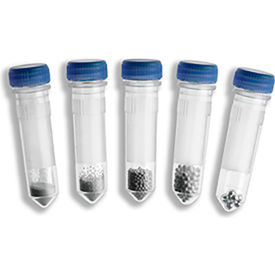
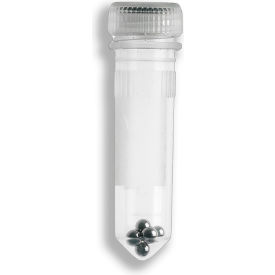
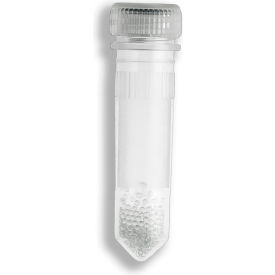
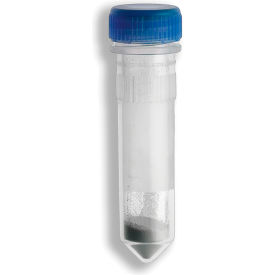
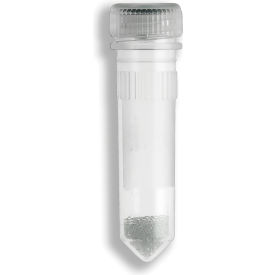
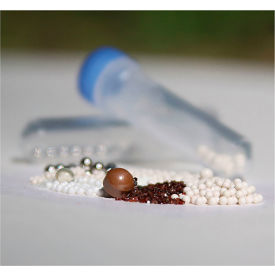
The efficiency of bead homogenization relies on several factors, including the material and size of the beads. Benchmark offers a variety of bead options to meet a wide range of samples. Silica (glass) homogenizer beads are ready to use, acid washed, and heat treated to remove contaminants and are rendered nuclease and protease free. The specifications include 0.1 mm diameter beads for homogenization of gram positive and negative bacteria, 0.5 mm diameter beads for bacteria, fungi, spores, molds, and small yeasts, and 1.0 mm diameter beads for fungi, spores, algae, and larger yeasts. Additionally, 1.5 mm diameter beads are suitable for soft tissues such as adipose and liver as well as small insects, while 3 mm diameter beads are ideal for harder tissues like heart and lung, and tumor samples. For very hard tissues, 6 mm diameter satellites are recommended for applications such as dry grinding and hair. The stainless steel homogenizer beads are available in 2.8 mm and 5 mm diameter sizes and are denser than zirconium, making them advantageous for homogenizing harder samples and dry grinding. These beads are alcohol washed and heat treated to ensure they are nuclease free. Some applications may require a mixture of beads, such as garnet shards combined with 6 mm zirconium satellites for collagen-rich samples like skin, or a blend of 0.1 mm silica, 1.4 mm zirconium, and 4 mm silica beads for fecal samples and soils. All beads and shards undergo acid washing and heat treatment to maintain their nuclease-free status.